Storage / A place to wait
Choose the Right Receiving Space
Choose the location first, the enclosure second and the extras last. A good fit begins with the parcels you actually receive and the time they spend outside.
Begin with a week of arrivals
Before comparing products, note how often deliveries arrive, whether several come on the same day and how quickly someone usually collects them. Record the largest ordinary parcel, not just a small padded envelope. A box that suits one compact delivery may be unusable after the first package fills its receiving chamber.
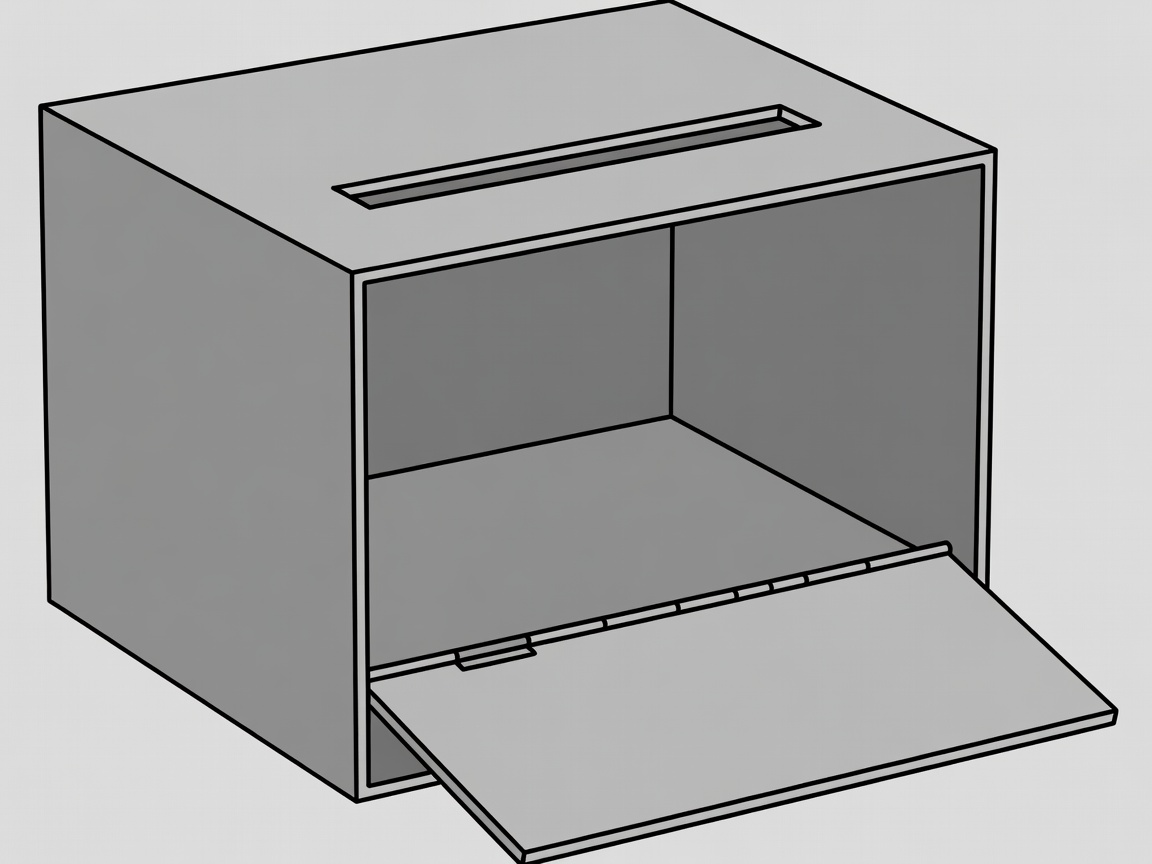
Measure the clear deposit opening, the internal space and the retrieval door separately. A published external dimension does not establish what will fit. Handles, hinges, baffles and sloping lids all take space. If possible, make a cardboard model of the usable opening and try passing a representative empty parcel through it without crushing or rotating it awkwardly.
Consider what should never wait there. Perishable food, medicines, temperature-sensitive items and valuable goods may require a different handover. Follow the seller’s and carrier’s conditions rather than treating household storage as a universal safe place. A signature requirement or identity check may rule out unattended delivery altogether.
Read weather claims carefully
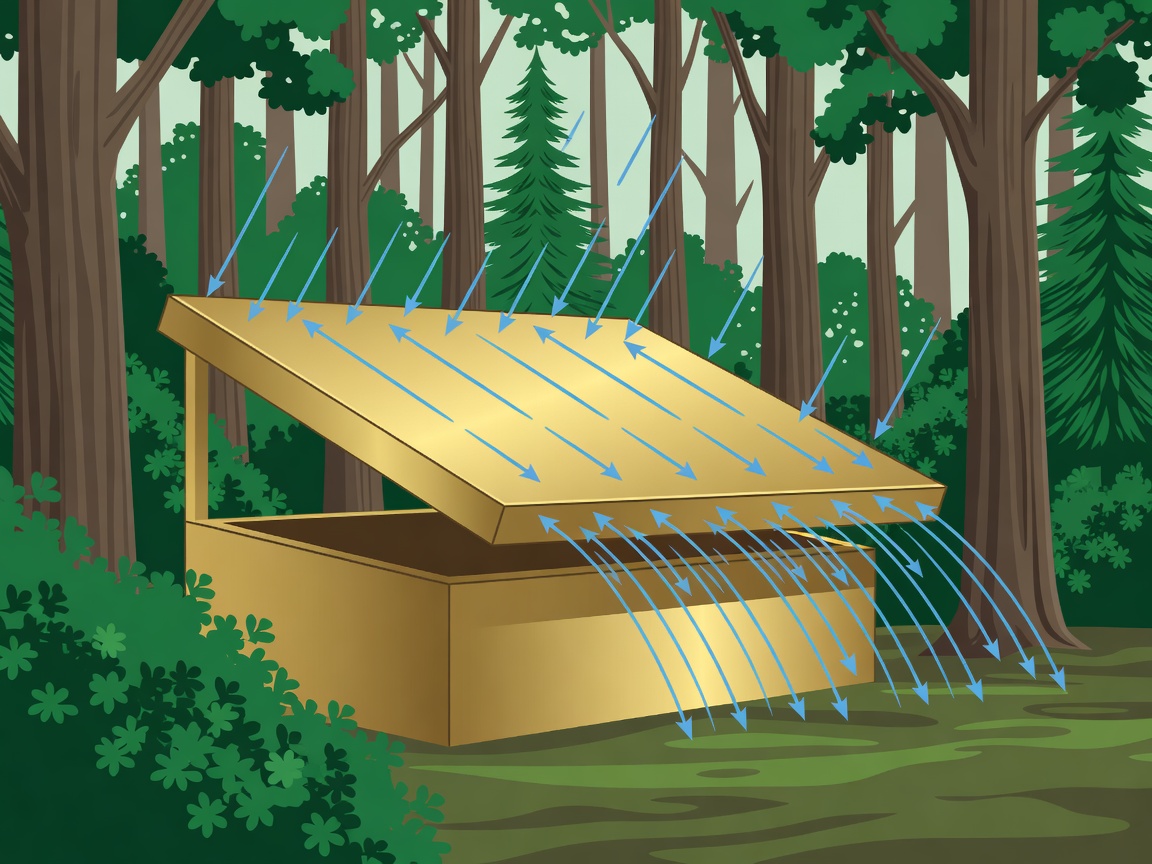
Start by watching the proposed location during bad weather. A recessed entrance may still receive wind-driven rain, while a downpipe can splash an otherwise sheltered corner. Avoid low points where water collects. A raised base and a lid that sheds water away from the opening can reduce exposure, but neither compensates for an unsuitable enclosure.
Ask what “weather-resistant” means for the exact model. Look for information about seals, drainage, corrosion protection and maintenance. The IP Code in IEC 60529 describes protection against ingress under specified test conditions. It does not, by itself, establish resistance to theft, condensation, coastal corrosion or every outdoor situation. A rating on a connected sensor does not automatically apply to the whole parcel box.
Check where drainage exits and whether it can remain unobstructed after installation. Do not seal a designed drainage hole simply because it looks unfinished. Inspect lid edges and seals after storms, remove debris and follow the maker’s coating-care instructions. Collect parcels promptly: cardboard can absorb moisture even when it is not sitting in visible standing water.
Separate deterrence from controlled access
An open shelf makes deliveries easier to locate but does not restrict access. An opaque box can reduce visibility from the street. A deposit mechanism may allow a courier to insert a parcel without opening the collection chamber. These are distinct benefits, and none should be described as a guarantee against theft.
Examine the retrieval route as carefully as the lock. Could someone reach back through the deposit opening? Can the enclosure be carried away? Are fixings concealed or exposed? Ask the manufacturer how repeat deposits work and whether the mechanism depends on the courier following a particular sequence. Do not infer a tested security level from thick-looking panels or a heavy lid.
If a seller cites EN 13724, establish precisely what is certified. That standard concerns letter boxes and letter plates; a reference to it is not a universal certification for parcel security. Claims about forced-entry testing should identify the applicable standard, tested configuration and independent evidence. Compare like with like rather than accepting an unexplained badge.
Match the arrangement to your household
A mechanical box avoids batteries and network outages, but keys still need a reliable home. Connected storage may offer managed access or alerts, yet introduces power, software and account dependencies. A shared locker arrangement may suit an apartment better than a private box, provided the building has approved its location and agreed who manages access and maintenance.
Think about the second person who uses the entrance: a partner, carer, visitor or neighbour collecting with permission. Can they reach the retrieval opening and operate it comfortably? Does the door stay open without creating a trip hazard? Make the collection routine easy enough that the box is emptied and reset rather than left full for days.