Entryways / People first
Keep the Entrance Working
A receiving space should make arriving home easier. Give people, doors and essential access the room they need before adding a shelf, cabinet or parcel box.
Map movement, not just spare floor
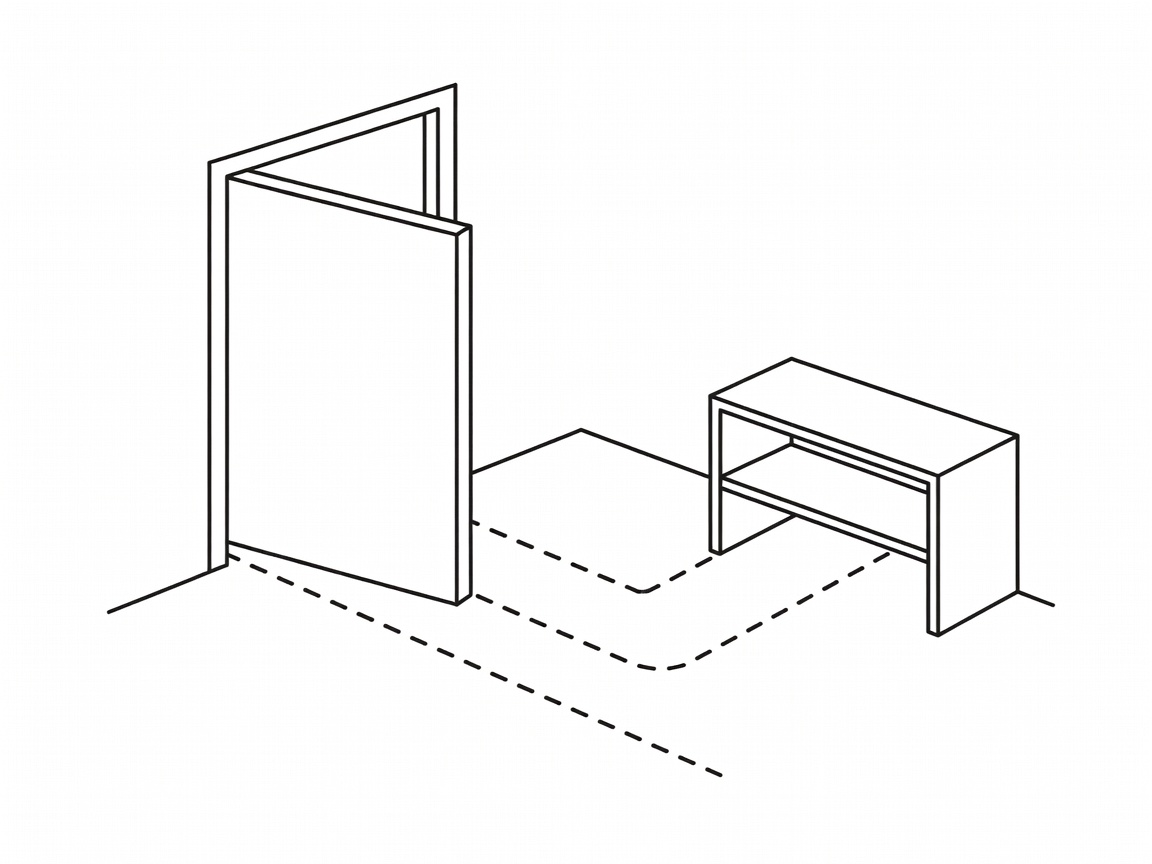
A patch of unused floor can look like the obvious place for parcel storage. Test that impression while the entrance is in use. Open the door fully, carry a shopping bag through, bring in a pram if you use one and allow space for someone waiting outside. Include the storage door’s own opening arc, not only the enclosure’s footprint.
Notice the less frequent journeys too. A mobility aid, visiting carer, large suitcase or piece of furniture may need a wider route than your usual daily passage. Avoid creating a narrow gap that works only when everyone turns sideways. Local accessibility and fire-safety requirements take priority over a convenient delivery position; this guide does not prescribe a universal clearance dimension.
Mark a proposed footprint with removable tape where appropriate, then live with the outline before ordering. Do not leave a test object where it can cause a trip. Check the route after dark and when the floor is wet. A dark enclosure can be difficult to distinguish from its surroundings even when it looks unobtrusive in daylight.
In apartments, agree the boundary first
A shared corridor, landing or lobby is not automatically available for personal storage. Ask the building manager, landlord or owners’ association about the applicable rules before placing furniture, installing a box or attaching anything to a wall. Lease conditions, fire strategy, accessibility requirements and insurer expectations can all affect what is permitted.
Do not prop open a fire door, conceal safety equipment or share a communal entry code as a shortcut for deliveries. A parcel station must not interfere with a door closer, intercom, alarm point or evacuation route. If the building requires the corridor to remain clear, a tidy cabinet is still an obstruction rather than an exception.
An approved reception arrangement or common locker may offer a better solution. Ask who accepts responsibility for parcels, how residents are notified, who can retrieve a delivery and what happens when a compartment is full. If another resident helps with collection, obtain their agreement and avoid assuming that a shared shelf creates an informal concierge service.
Create a short journey indoors
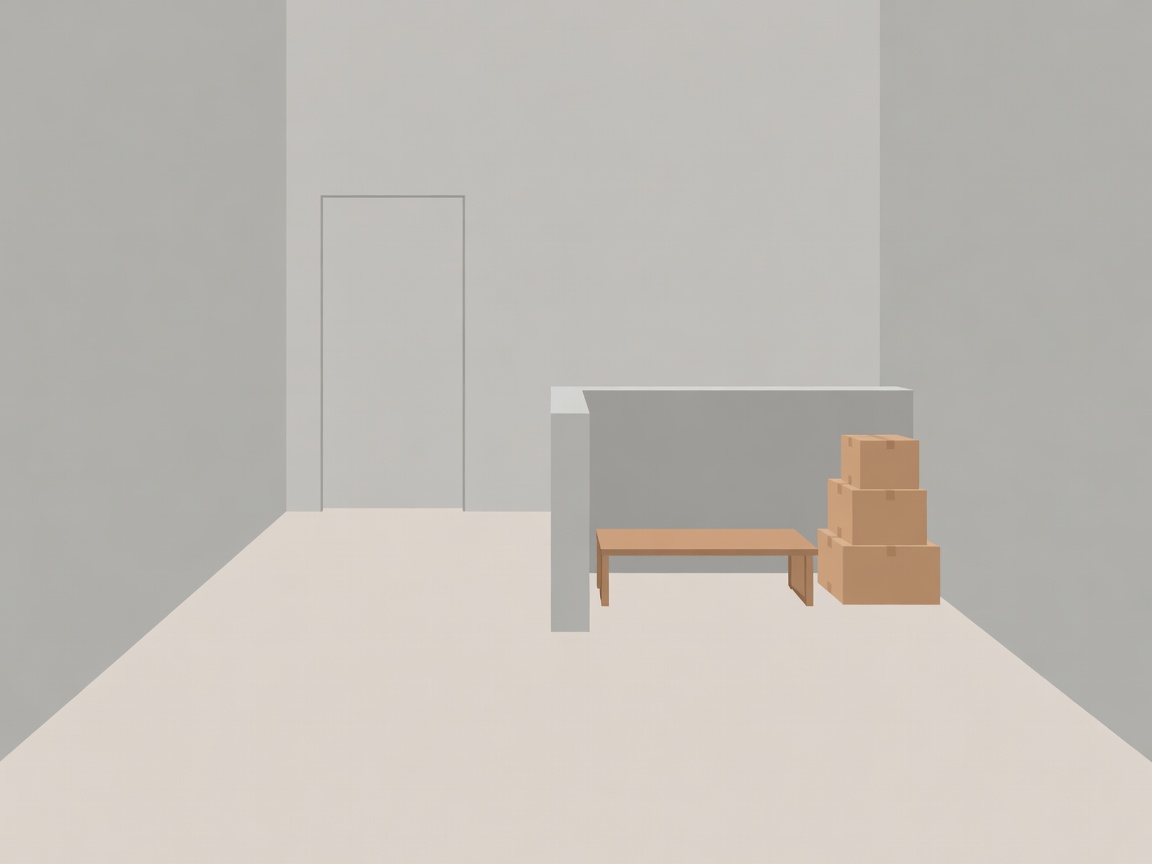
For a private entrance, organise the receiving routine into three simple actions: collect, check and clear. The outdoor enclosure is a waiting place, not long-term storage. Inside, choose a small surface for opening parcels and a separate route for recycling. This prevents delivered boxes from becoming a permanent stack beside the door.
Keep keys and retrieval tools convenient for household members but away from public reach or sight. Store cutting tools safely, particularly around children. Avoid setting a wet parcel on electrical equipment or a surface that is easily damaged. Remove address labels thoughtfully before recycling packaging, following local recycling guidance for films, padding and mixed materials.
Use lighting to support safe movement rather than treating brightness as security. A light aimed at the path can help someone find the receiving opening without shining into neighbouring windows. Check that planters, bins and seasonal decorations do not gradually reclaim the clear route you intended to preserve.
Leave room for exceptions
No domestic arrangement accommodates every delivery. Oversized goods may need a booked handover, while signature-required items may need someone present. Royal Mail, USPS, Canada Post and Australia Post have different delivery options and conditions, and local availability can vary. Check the carrier’s current guidance instead of assuming that a home-made sign changes its obligations.
If unattended delivery is unsuitable, look into a supported collection point, workplace arrangement with permission or a rescheduled delivery. Do not make the doorway less usable just to accommodate an occasional unusually large package. A clear alternative plan is often more practical than enlarging the receiving space indefinitely.